Generative AI Fashion: Consistent, On-brand Image Creation
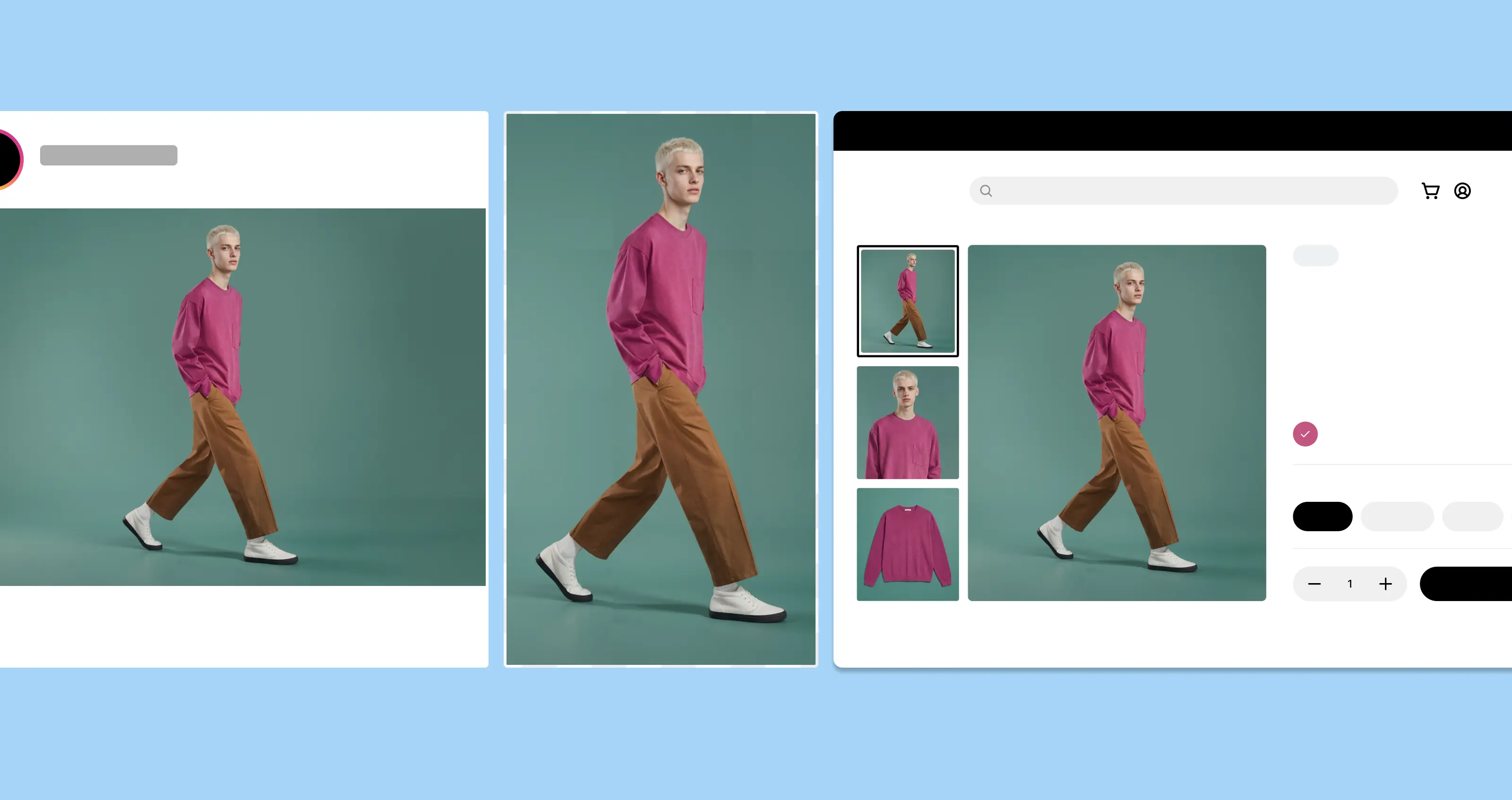
Generative AI fashion tools are changing the way brands create visuals, making it easier to stay consistent without losing creativity. Think of them as a reliable assistant that remembers your models, poses, and lighting so every image tells the same story. Every visual you publish from a homepage banner to a product detail page (PDP) signals something about your brand. The cut of the fabric, the pose, the lighting, the model’s expression, they all combine to say, “This is who we are.”
The challenge is that digital fashion today isn’t limited to one channel. A product image might appear in an ad, a carousel, an email, a PDP, or a TikTok clip and customers notice when things don’t quite line up. A slightly different model, a mismatched background, or a color that looks off can break that invisible thread of trust.
This is where generative AI fashion tools are changing the game, not by making content faster or cheaper (though it does that too), but by enabling true cross-channel consistency at a level that was nearly impossible with traditional shoots.
The cost of inconsistency
Before we get into the weeds on generative AI fashion tools, it’s worth looking at what inconsistency actually costs brands.
Most teams already know the pain: marketing needs lifestyle shots that pop, eCommerce needs clean studio images, social wants something trendier, and regional teams all want “their own twist.” The result? A single product might be shot three or four different times, with different lighting, models and post-production styles.
For customers, that inconsistency creates doubt. “Wait, is that the same top I saw in the ad?” “Why does it look brighter on Instagram than on the site?” Tiny mismatches like these chip away at confidence and affect conversion.
We’ve seen data that backs it up: consistent visuals, same model, same fit, same lighting, deliver higher click-through rates on ads and more time on page in eCommerce. Why? Because they remove friction. Customers don’t have to wonder; they can just trust what they see.
In a digital world where visuals sell products long before words do, that trust is gold.
The old workflow: Expensive, slow and hard to scale
Traditionally, achieving that level of consistency meant building an expensive system around it, one that only large brands could afford. You’d hire the same models, shoot in the same studio, book the same lighting setups and manually retouch every image to align across channels.
It works, but it’s rigid. The moment you need to refresh collections, expand into new markets or localize campaigns, the logistics start to break down.
Smaller and mid-market brands often have no choice but to compromise, reusing what they can, blending different shoots, or pulling from inconsistent stock imagery. The result is a patchwork of visuals that don’t feel cohesive.
And this is exactly the gap that Generative AI fashion tools are now filling, by decoupling consistency from logistics.
Generative AI fashion tools: The new engine of visual consistency
Here’s the big shift: with AI-generated models and fashion-trained workflows, consistency isn’t an outcome of post-production. It’s built into the generative AI fashion creation process itself.
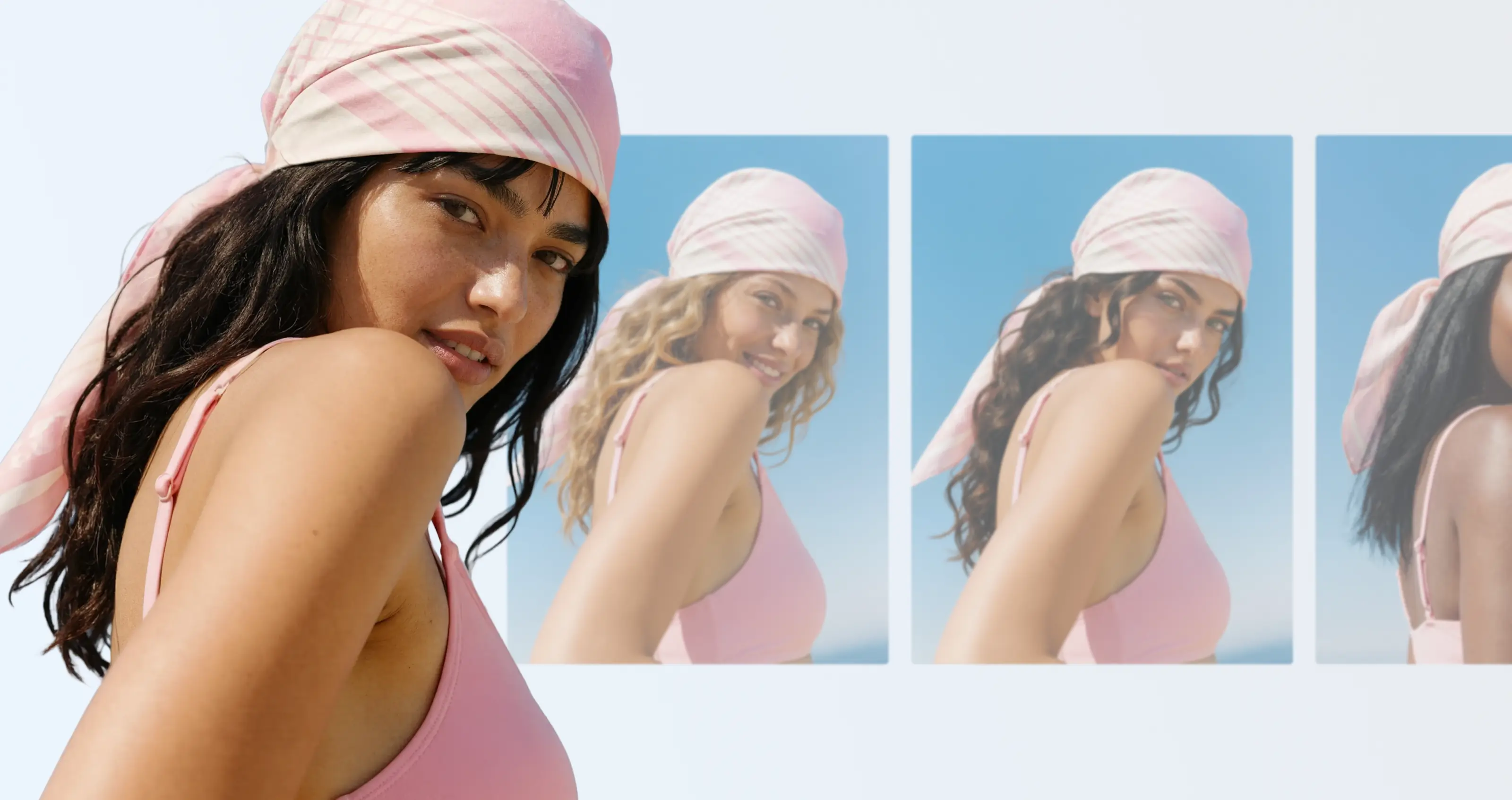
At Botika, we’ve designed our system so brands can start with a single product photo and generate consistent, on model images across every channel,all from the same data source. No reshoots. No retouching. No guessing.
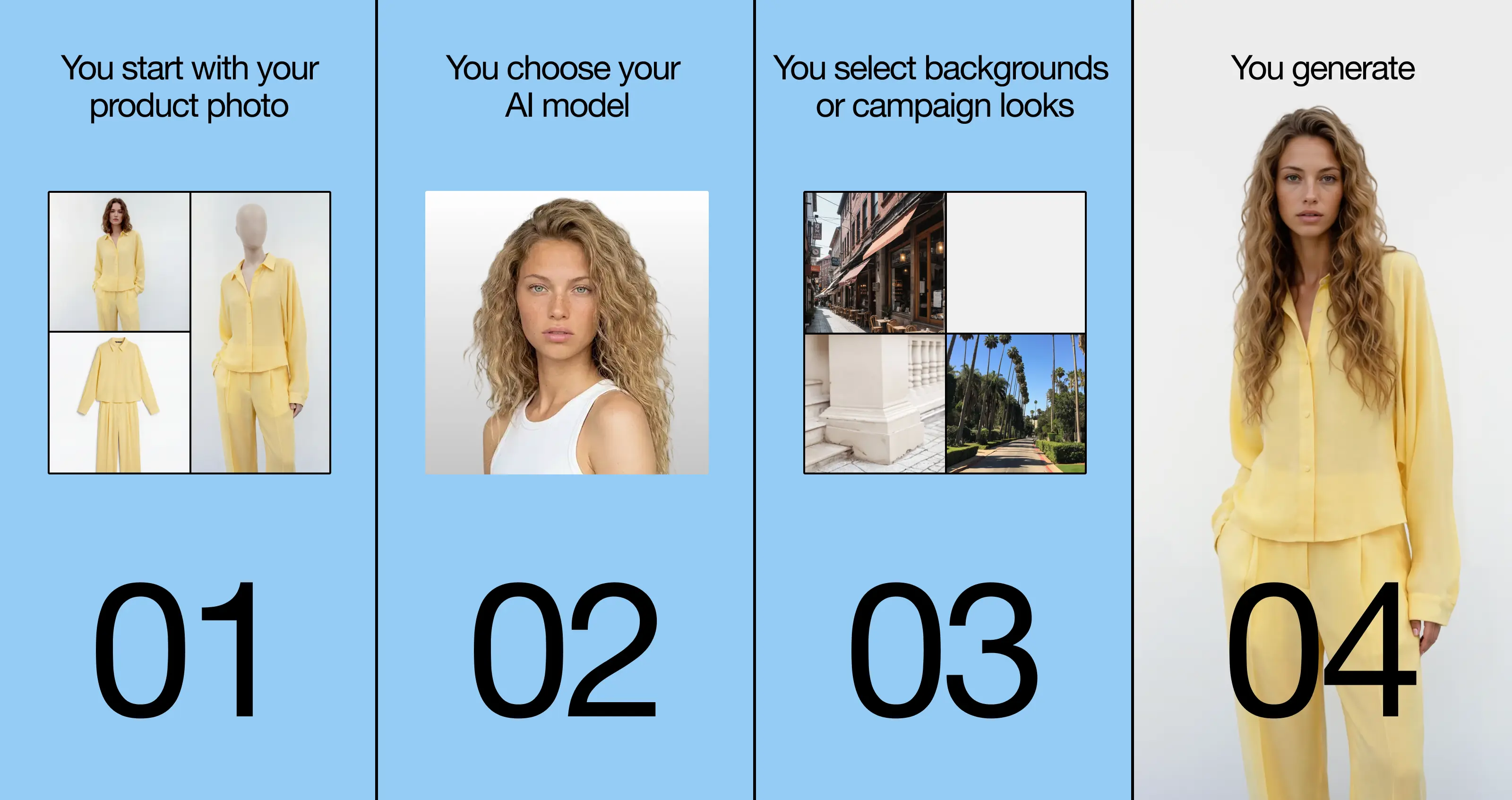
Let me break that down simply:
- You start with your product photo
Flat lay, mannequin or on model. - You choose your AI model
Same face, body type, pose, and aesthetic every time. - You select backgrounds or campaign looks
Lifestyle, studio, seasonal variations. - You generate
The generative AI fashion system creates visuals that stay true to your product and your brand identity across formats.
That means your PDP image, social post and ad creative can all feature the same model, wearing the same garment, under consistent lighting, just framed for each platform.
No prompt tinkering. No guesswork. No visual drift.
Why visual consistency matters more than ever
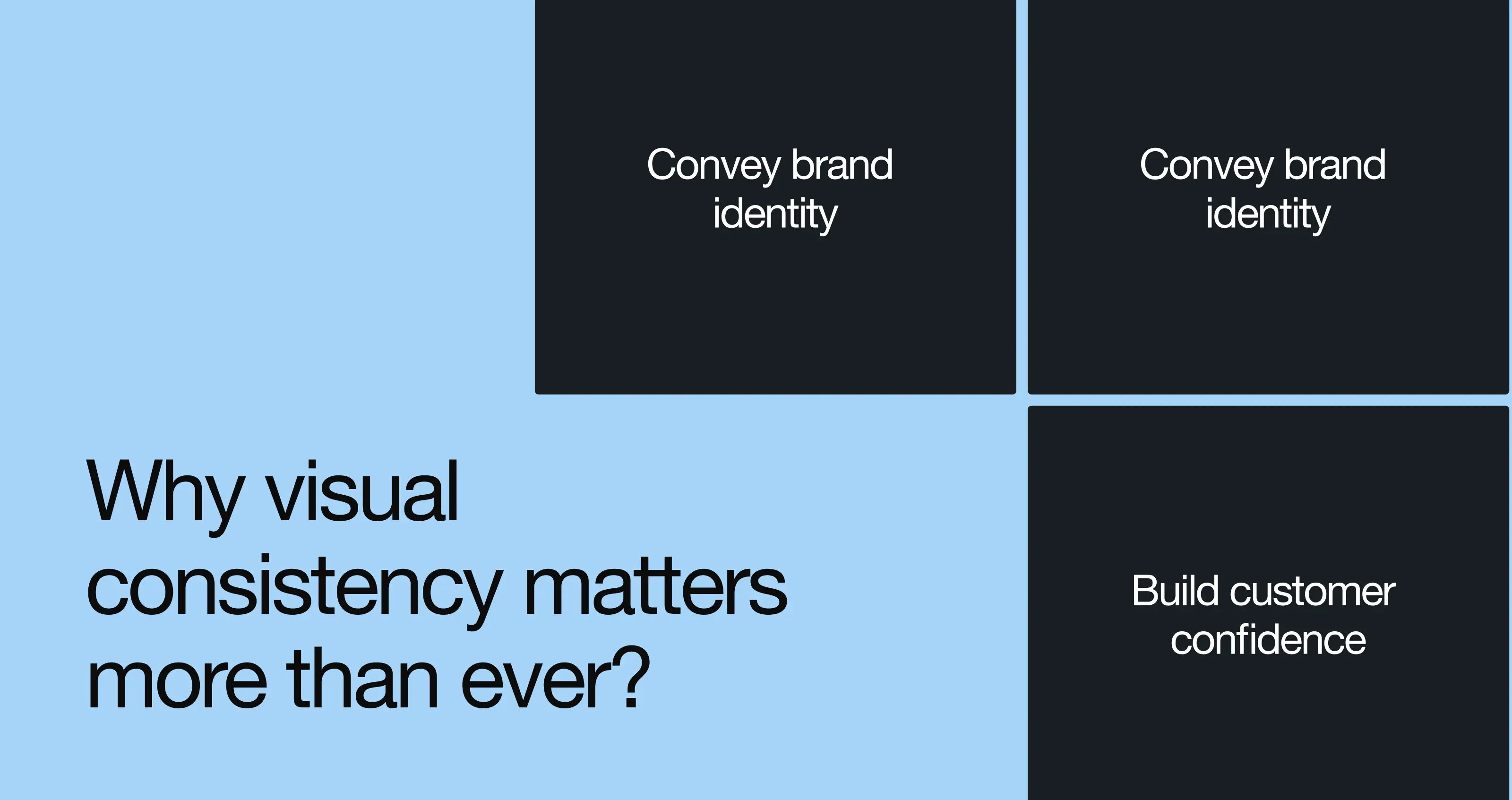
In eCommerce, visuals do three things:
- Communicate product accuracy
- Convey brand identity
- Build customer confidence
When those three align, conversions rise. When they don’t, customers hesitate.
Let’s take an example. Imagine a shopper clicks on an Instagram ad showing your jacket on a smiling model outdoors. She loves it, clicks through, and lands on your PDP,where the same jacket is now on a completely different model, under harsh white lighting, looking slightly darker in tone. The experience disconnects.
Even if the product is identical, her mind registers uncertainty. The emotion that drew her in that instant “I want this” disappears.
That gap between marketing and product representation is what generative AI fashion tools can close. By keeping the model, fit, and visual language consistent from ad to PDP, brands can deliver what we call visual continuity; a smooth, trustworthy experience from first impression to purchase.
Cross-channel consistency: The hidden growth driver
Consistency doesn’t just look good it scales revenue. When you reuse the same AI models and product visuals across your ecosystem, three things happen:
- Your paid ads perform better. The same model and styling create familiarity, so customers recognize your brand even when scrolling fast.
- Your PDPs convert higher. The same visuals used in marketing show up on the product page, reinforcing what customers already expect.
- Your creative workflow gets faster. You generate once and reuse everywhere, for ads, editorials, social, marketplaces and retail partners.
It’s not just about matching pixels; it’s about creating a visual rhythm across your brand’s presence where every channel reinforces the same story.
Generative AI fashion tools keep marketing & product aligned
One of the biggest mistakes we see brands make is prioritizing “marketing appeal” over accuracy.
They’ll style a campaign image so heavily that the product no longer looks the same as it does in the catalog. That might work short-term, but it hurts in the long run. When customers feel misled, even slightly, returns rise, loyalty falls and trust erodes.
Generative AI fashion tools let you find a new balance. You can keep marketing content dynamic and aspirational without compromising product truth. The same AI model can wear the exact digital garment rendered from your source photo; the fabric, fit and fall are preserved perfectly.
So your campaign stays inspiring and your PDP stays accurate because they’re built from the same foundation.
<blogcta>
Scaling consistency: From campaign to catalog
Consistency gets harder the more you scale across markets, languages and product lines.
A major advantage of pre-trained generative AI fashion systems is that they make scaling consistency predictable. You can:
- Reuse the same core model set globally (or localize with regional diversity).
- Apply the same lighting and background templates to new collections.
- Generate entire seasonal refreshes with consistent looks in hours, not weeks.
- Maintain cohesive branding even when marketing teams operate in different regions.
This isn’t just cost efficiency, it's brand coherence. It ensures that no matter where your customer sees you,Paris, São Paulo, or TikTok, your brand feels like you.
Generative AI fashion tools: Consistency without uniformity
Consistency doesn’t mean uniformity. The goal isn’t to make every image identical; it’s to make every image belong.
Generative AI fashion tools allow creative teams to design structured systems that support variation within control. You can experiment with new backdrops, poses or campaigns, all while maintaining a core identity that threads through everything.
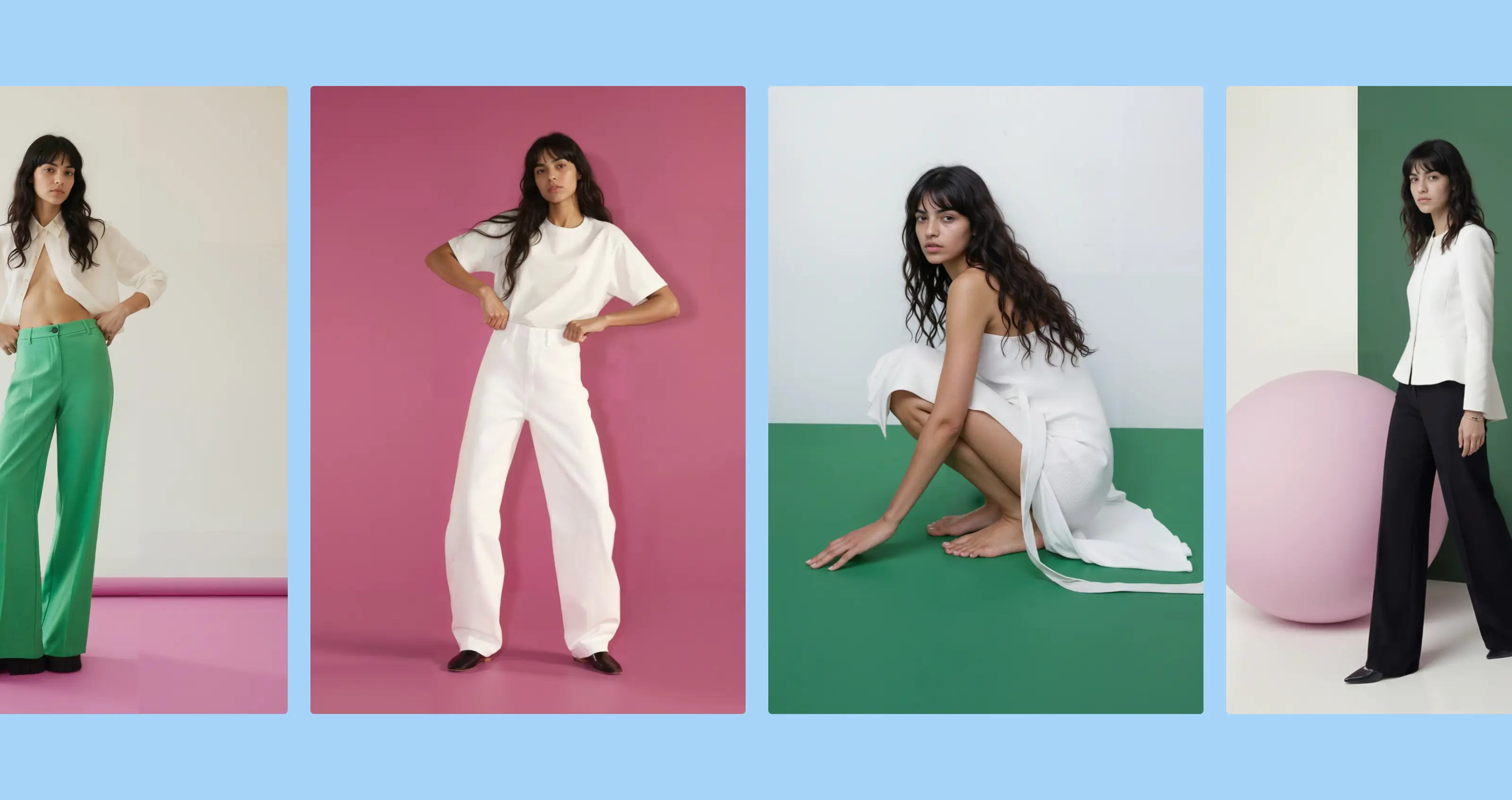
Think of it as building a visual language rather than producing individual images. Once your brand’s models, styles and tones are defined, generative AI fashion tools become the translator applying that language across every touchpoint automatically.
The result? A brand that looks cohesive without feeling repetitive; dynamic but dependable.
Generative AI fashion systems: Scaling trust
The brands winning with generative AI fashion systems aren’t the ones chasing novelty. They’re the ones building trust through visual consistency by showing customers the same product, the same fit, the same promise everywhere they appear.
Generative AI fashion tools aren’t replacing creativity; it’s giving it structure. It lets you scale the parts of your brand that matter most, accuracy, identity, and trust, without losing the spark that makes you unique.
When customers recognize your visuals instantly, when every image feels connected and real, that’s not just consistency, that’s confidence. And confidence, more than anything, is what converts.
.webp)